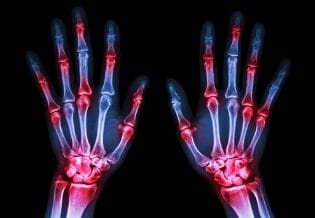
Call for PapersJournal of Advanced Rheumatology Science
The Journal of Advanced Rheumatology Science invites high impact manuscripts that advance musculoskeletal and autoimmune science, inflammatory pathways, and clinical care. Share discoveries in arthritis, connective tissue disease, imaging, biomarkers, and therapeutics with a global readership and expert editorial oversight.
Why Submit to JARS
JARS provides a focused platform for rheumatology research that connects clinical insight with immunology, imaging, and translational science. Our editorial scope covers inflammatory arthritis, connective tissue diseases, vasculitis, osteoarthritis, and rheumatology outcomes.
We value clear clinical and mechanistic insight, strong methodology, and conclusions that improve patient care and disease management.
We publish original research, reviews, short communications, methods, and data rich studies that advance rheumatology knowledge. Manuscripts receive expert handling by editors and reviewers who understand the rigor needed for clinical trials, registries, translational studies, and outcomes reporting.
We welcome collaborative studies that bridge laboratory discovery with clinical decision making and long term patient outcomes.
Open access publication ensures rapid visibility, global readership, and practical impact. For authors seeking to maximize citations, funder compliance, and research reuse, JARS offers clear scope alignment and a professional publishing experience.
Submission Highlights
- Expert editorial screening and peer review
- Open access visibility and global reach
- Multiple article types accepted
- Clear scope for rheumatology research
- Professional production and indexing
- Continuous publication model
Priority Research Areas
Inflammatory Arthritis and Autoimmunity
Rheumatoid arthritis, psoriatic arthritis, spondyloarthritis, and immune mediated mechanisms.
Connective Tissue Disease and Vasculitis
Lupus, systemic sclerosis, myositis, and vasculitic syndromes.
Osteoarthritis and Degenerative Disease
Pathophysiology, pain management, and structural progression.
Imaging, Biomarkers, and Precision Medicine
Ultrasound, MRI, biomarkers, and disease stratification.
Therapeutics and Biologics
Targeted therapies, treatment strategies, and safety outcomes.
Rehabilitation and Patient Reported Outcomes
Function, quality of life, adherence, and care models.
Manuscript Readiness and Research Quality
Strong JARS submissions present a clear clinical or mechanistic hypothesis, rigorous methods, and transparent reporting. Whether you are describing clinical trials, observational cohorts, registries, or translational studies, we recommend clear study design statements and complete methodological detail so reviewers can evaluate reproducibility.
Figures and tables should communicate outcomes with precision. Use high resolution images, report sample sizes, effect sizes, and statistical tests, and include appropriate controls. Data availability statements should describe repositories, accession numbers, or how readers can access supporting datasets.
For studies involving human participants, biospecimens, or animal models, include ethics approval identifiers and compliance statements. We also welcome pre registered studies and encourage structured reporting standards when available for your research area.
Readiness Checklist
- Clear hypothesis and rheumatology scope
- Complete methods and cohort details
- Sample sizes, statistics, and controls
- Data availability and accession links
- High resolution figures and tables
- Ethics approvals and disclosures
Submission Expectations and Ethics
We prioritize research integrity, reproducibility, and clarity of reporting. Manuscripts must be original, ethically conducted, and prepared according to journal standards.
All submissions undergo editorial checks for scope, data integrity, and ethical compliance before peer review.
Provide complete methods, data availability statements, and clear documentation to support reproducibility.
We accept original research, reviews, short communications, methods papers, and technical reports.
Peer review focuses on scientific rigor, novelty, and contribution to the rheumatology research community.
Editorial Workflow and Visibility
After submission, manuscripts receive an editorial assessment and are assigned to subject editors for peer review. Our goal is to deliver a timely first decision while maintaining rigorous evaluation standards.
Accepted articles are professionally produced in HTML, PDF, and XML formats and are integrated with DOI registration and indexing metadata. This ensures your work is discoverable through academic search engines and citation networks.
Authors receive clear status updates at key stages, and revision guidance focuses on scientific clarity, data integrity, and rheumatology significance. Once published, articles are promoted through journal channels to increase visibility across academic, clinical, and industry audiences.
JARS welcomes thematic special issues in emerging rheumatology areas. If you are organizing a research community or conference track, contact us about proposing a special issue or serving as a guest editor.
Visibility Benefits
- Open access distribution worldwide
- Crossref DOI registration
- Indexing and metadata optimization
- Long term digital preservation
- Professional production standards
- Support for special issue promotion
Article Processing Charges
JARS follows an open access publishing model. An Article Processing Charge is applied only after acceptance and supports peer review management, production, and long term access. Membership options provide APC savings for research teams with ongoing publication plans.
For full APC details, waivers, and membership benefits, visit the APC page or contact our team for guidance on institutional and funder requirements.
If your institution requires documentation for funding or compliance, we can provide pro forma invoices, receipts, and confirmation letters. Laboratory and departmental memberships are designed to reduce per article costs and simplify budgeting for research groups that publish regularly in rheumatology research.
Submit Your Manuscript
Choose the submission route that best fits your workflow. Both options connect you directly with the JARS editorial office.
Email: [email protected] | Response within 24 business hours | Rheumatology editorial support available
Editor in chief