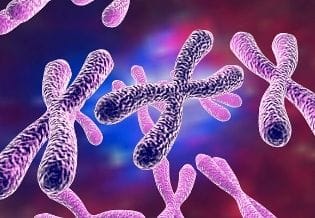
Chromosome Science and Cytogenetics Research
Join the Journal of Chromosomes (JC) for priority publication and global visibility in chromosome biology, cytogenetics, karyotyping, and genomic structural variation. Our expert community advances understanding of these fundamental genetic structures and their role in health and disease.
Member Benefits
Cytogenetics Expertise
Expert peer review by chromosome biologists, clinical cytogeneticists, and molecular geneticists who understand karyotyping, FISH, and genomic analysis methodologies.
Global Open Access
Published research reaches geneticists, clinical laboratories, and researchers worldwide without subscription barriers, maximizing citations and knowledge translation.
Rapid Publication
Streamlined editorial workflow delivers first decisions within 21 days, ensuring time-sensitive discoveries in chromosome biology reach the scientific community fast.
Clinical Translation
We emphasize connections between basic chromosome research and clinical cytogenetics, supporting work impacting prenatal diagnosis, cancer genetics, and rare disease.
Technical Innovation
JC welcomes advances in chromosome visualization, sequencing approaches, and computational methods for analyzing structural variation and karyotype abnormalities.
Research Network
Connect with chromosome researchers, clinical genetics laboratories, and genome centers for collaborative multi-center studies and grant applications.
Membership Investment
Select the tier aligned with your research output. All include rigorous peer review and DOI assignment.
Structural Foundations of the Genome
Chromosomes are the structural foundation of genetic information. JC publishes research examining chromosome architecture, chromatin organization, nuclear positioning, and mechanisms maintaining genome integrity through cell division and DNA repair. From basic chromosome biology to clinical diagnostics, we bridge discovery and application with clear translational implications for understanding chromosome abnormalities in genetic disease.
Whether investigating constitutional abnormalities causing developmental disorders, somatic changes driving cancer progression, or evolutionary processes shaping species diversity through karyotype evolution, JC provides the platform for rigorous scholarship. Our editorial board includes active researchers in cytogenetics, molecular genetics, and genome biology who ensure comprehensive technical evaluation of submitted manuscripts.
From Bench to Bedside
Research Scope
JC maintains strict editorial independence. All submissions undergo double-blind peer review regardless of membership tier. Membership facilitates Open Access publication logistics but never influences scientific evaluation. This unwavering commitment ensures the JC seal of approval remains a trusted mark of research quality in chromosome science. Our reviewers evaluate manuscripts for karyogram quality, FISH hybridization standards, and sequencing data rigor to ensure published cytogenetic data meets the highest standards for both clinical and research applications worldwide.
Shape Chromosome Science
Join our editorial board to handle manuscripts in your specialty area. Become a peer reviewer to evaluate cutting-edge discoveries. Propose special issues on emerging topics from 3D genome organization to non-invasive prenatal testing. JC membership connects you with the global cytogenetics community for collaborative research, grant partnerships, and professional development opportunities.
The JC Advantage
Rigorous Technical Standards
JC requires comprehensive methodology reporting including karyotyping protocols, FISH probe specifications, and sequencing analysis pipelines. This transparency enables reproducibility and builds confidence in published cytogenetic findings. Our reviewers evaluate manuscripts for experimental design quality, data integrity, and completeness of material characterization protocols to ensure the highest scientific standards.
The Journal of Chromosomes serves the global cytogenetics community with a commitment to advancing both fundamental chromosome biology and clinical diagnostic applications. Whether you investigate telomere dynamics affecting cellular aging, centromere evolution across species, meiotic recombination mechanisms, or the molecular basis of aneuploidy in human disease, JC provides the scholarly platform and expert reviewers to ensure your research achieves maximum visibility and scientific credibility.
Worldwide Network
Our interdisciplinary community welcomes molecular biologists examining chromosome condensation mechanisms, clinical geneticists developing improved diagnostic strategies, computational scientists creating novel algorithms for structural variation detection, and evolutionary biologists tracing karyotype changes across phylogenetic lineages. JC membership connects you with this diverse network of researchers united by their focus on understanding chromosomes and their essential role in heredity, development, and disease pathogenesis.
Publication Excellence
Expert Editorial Review
Our editorial board consists of internationally recognized specialists in chromosome structure, clinical cytogenetics, cancer genomics, and evolutionary biology. They provide constructive, specialized feedback that enhances the technical quality and impact of your submissions. JC maintains the highest standards for chromosome research publication, requiring comprehensive data presentation including high-resolution karyograms, properly validated FISH results, and transparent sequencing analysis methodologies.
Why Researchers Trust JC
The Journal of Chromosomes has established itself as a vital platform for scientists investigating these fundamental units of heredity and their critical functions in living organisms. Our commitment to rigorous peer review by active chromosome researchers ensures published work meets the highest scientific standards expected by the global cytogenetics community. We understand that chromosome research spans from basic molecular studies to clinical diagnostic applications, and our editorial processes accommodate this full spectrum.
Whether you study the molecular mechanisms controlling chromosome condensation during cell division, explore the clinical implications of constitutional and acquired chromosome abnormalities in human patients, or develop novel cytogenetic technologies for improved diagnostic accuracy and research applications, JC provides the scholarly platform and expert community to maximize your research impact and advance scientific understanding of these essential genetic structures.
Ready to Publish?
Submit your chromosome research for expert review and global Open Access distribution. Join the JC community and become part of a worldwide network dedicated to advancing cytogenetics science, improving clinical diagnostic capabilities, and expanding our understanding of chromosome biology in health and disease. Our peer reviewers and editorial board members represent leading institutions across multiple continents, ensuring your research receives evaluation from true experts in chromosome structure, function, and clinical applications. Whether you are an established investigator or an emerging researcher, JC membership provides strategic advantages for maximizing your scholarly impact in this essential field of genetics and genomics. Contact [email protected] for membership inquiries and submission guidance