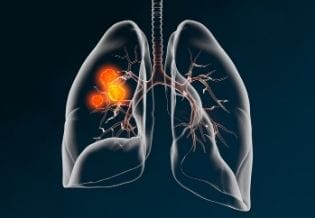
Advancing Lung Cancer Epidemiology Research
Join the Journal of Lung Cancer Epidemiology (JLCE) for priority publication and global visibility in lung cancer incidence, risk factors, survival outcomes, screening effectiveness, and population-level prevention research. Our specialized community connects epidemiologists, oncologists, public health researchers, and biostatisticians working to reduce the global burden of lung cancer through rigorous population science. As the leading cause of cancer death worldwide, lung cancer demands sustained epidemiological investigation to identify risk factors, evaluate interventions, and guide prevention strategies. JLCE serves as the premier platform for investigators advancing our understanding of lung cancer patterns, determinants, and outcomes across diverse populations and healthcare systems globally.
Why Epidemiologists Choose JLCE
Epidemiological Expertise
Expert review by cancer epidemiologists, biostatisticians, and public health researchers who understand cohort design, case-control methodology, and population-level inference.
Global Open Access
Published research reaches oncologists, public health agencies, and policymakers worldwide without barriers, informing cancer prevention and screening programs.
Rapid Publication
Streamlined workflow delivers first decisions within 21 days, ensuring timely dissemination of surveillance data and epidemiological findings. Lung cancer research often has urgent public health implications, and our efficient editorial processes ensure your discoveries reach practitioners, policymakers, and fellow researchers when the evidence is most actionable for prevention program design and clinical practice guidelines.
Policy Translation
We prioritize research informing tobacco control, screening guidelines, environmental regulations, and occupational safety policies. JLCE bridges epidemiological science with policy implementation, ensuring published research addresses both methodological questions and practical implications for cancer prevention programs operating at local, national, and international levels.
Methodological Rigor
JLCE maintains high standards for study design, bias control, confounding adjustment, and appropriate statistical analysis in cancer epidemiology.
Research Network
Connect with cancer registries, screening programs, and international consortia for collaborative population studies. JLCE membership provides access to a global network spanning academic cancer centers, public health agencies, national registries, and WHO-affiliated organizations united by commitment to reducing lung cancer burden through evidence-based prevention and early detection strategies implemented at population scale.
Membership Investment
All tiers include rigorous peer review, professional DOI assignment, and comprehensive indexing for maximum discoverability. Select the membership tier aligned with your research output and institutional capacity to maximize your investment in advancing lung cancer epidemiology scholarship.
Lung Cancer Epidemiology Focus Areas
Tobacco Control Science
Smoking remains the primary cause of lung cancer globally. JLCE publishes research on tobacco cessation effectiveness, secondhand smoke exposure, emerging tobacco products, and policy interventions reducing population smoking prevalence and lung cancer burden.
Screening Impact Assessment
Low-dose CT screening transforms lung cancer detection. JLCE welcomes research evaluating screening program implementation, cost-effectiveness, overdiagnosis concerns, and real-world outcomes across diverse healthcare systems and populations.
Environmental Epidemiology
Air pollution, radon exposure, and occupational carcinogens contribute to lung cancer risk. JLCE publishes studies quantifying environmental exposures and informing regulatory standards protecting public health worldwide.
Survival and Outcomes
Understanding survival determinants guides clinical care. JLCE welcomes research on prognostic factors, treatment patterns, healthcare access, and disparities affecting lung cancer outcomes across populations.
JLCE maintains strict editorial independence. All submissions undergo rigorous double-blind peer review regardless of membership tier. Our expert reviewers evaluate manuscripts for methodological rigor, appropriate statistical analysis, and potential to inform lung cancer prevention and control. This commitment ensures the JLCE seal remains a trusted mark of epidemiological excellence.
Editorial Opportunities
Join our editorial board to shape lung cancer epidemiology publishing. Handle manuscripts in your specialty and contribute to maintaining rigorous methodological standards.
Special Collections
Propose thematic issues on emerging topics from molecular epidemiology to global surveillance, e-cigarette research, and implementation science.
Excellence in Cancer Epidemiology
Methodological Excellence
We require rigorous methodology reporting including study design justification, sample size calculations, exposure assessment validation, and appropriate statistical approaches. JLCE reviewers evaluate manuscripts for internal validity, bias control, confounding adjustment, and generalizability to diverse populations.
Global Perspective
Lung cancer epidemiology varies dramatically across regions with different smoking patterns, environmental exposures, and healthcare systems. JLCE welcomes research from diverse settings, recognizing that prevention and control strategies must be adaptable to local contexts.
Interdisciplinary Integration
Cancer epidemiology requires integration of clinical oncology, biostatistics, genetics, and public health. JLCE serves as a nexus for these disciplines, ensuring manuscripts are accessible to diverse audiences while maintaining methodological rigor expected by epidemiologists.
Policy Relevance
Epidemiological research must inform prevention policy. JLCE prioritizes studies with clear implications for tobacco control, screening program design, environmental regulation, and healthcare resource allocation for lung cancer prevention and treatment.
The Journal of Lung Cancer Epidemiology has established itself as a vital platform for researchers dedicated to reducing the global burden of lung cancer through rigorous population science. Whether you investigate geographic patterns in lung cancer incidence, evaluate the effectiveness of tobacco control policies, assess screening program outcomes, or explore molecular markers of risk, JLCE provides the scholarly platform and expert community to amplify your research impact. Our community spans academic cancer centers, public health agencies, cancer registries, and international research consortia working together to advance lung cancer prevention and control worldwide.
Ready to Publish?
Submit your lung cancer epidemiology research for expert peer review and global Open Access distribution. Join the JLCE community and become part of a worldwide network dedicated to advancing cancer prevention, improving early detection, and reducing disparities in lung cancer outcomes through rigorous epidemiological science. Whether you focus on tobacco cessation effectiveness, screening program evaluation, environmental carcinogen assessment, or survival outcome analysis, JLCE provides the scholarly platform and expert reviewers to ensure your research achieves maximum visibility and policy impact in this critical area of cancer control. Contact [email protected]