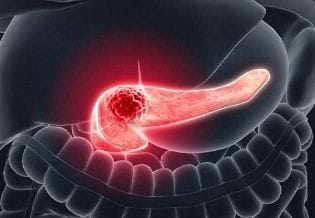
Advancing Pancreatic Research and Clinical Care
Join JPAN for priority publication in pancreatic diseases, islet biology, exocrine function, pancreatitis, pancreatic cancer, and diabetes research. Our specialized community connects gastroenterologists, endocrinologists, surgeons, and scientists advancing understanding of this vital organ across the translational spectrum from bench to bedside. As pancreatic diseases including cancer and diabetes continue rising globally, rigorous research has never been more critical for developing improved diagnostic tools, therapeutic interventions, and prevention strategies.
Clinical Expertise
Rapid Publication
Global Reach
Translational Focus
Dual Function
Research Network
Why Pancreatic Researchers Choose JPAN
Member BenefitsExpert Peer Review
Review by pancreatologists, surgical oncologists, endocrinologists, and islet biologists who understand pancreatic disease complexity and translational research requirements. Our editorial board represents leading pancreatic research centers worldwide, providing expert assessment spanning the full breadth of exocrine and endocrine pancreas science. Our editorial board includes specialists across exocrine and endocrine pancreas research domains.
Rapid 21-Day Decisions
Streamlined workflow delivers first decisions within 21 days, critical for time-sensitive research on pancreatic cancer and acute pancreatitis where early intervention dramatically affects patient outcomes. In diseases where early diagnosis and rapid treatment initiation can mean the difference between life and death, efficient publication processes matter enormously for getting evidence to clinicians quickly.
Translational Priority
We prioritize research bridging laboratory discoveries with clinical applications in pancreatic disease treatment and prevention. JPAN recognizes that fundamental scientific insights must translate into improved therapies, earlier diagnosis, and better outcomes for the millions of patients affected by pancreatic disorders annually, from cancer to chronic pancreatitis to diabetes.
Membership Options
All tiers include rigorous peer review, professional DOI assignment, and comprehensive indexing for maximum discoverability. Select the membership tier aligned with your research output and institutional relationships to maximize your investment in advancing pancreatic science scholarship and clinical translation
Pancreatic Research Focus Areas
Pancreatic Cancer Research
Pancreatic cancer remains among the deadliest malignancies with five-year survival rates still devastatingly low despite decades of research. This urgent clinical need drives our emphasis on cancer research from molecular characterization to clinical trials. JPAN prioritizes research on early detection biomarkers, molecular subtypes, therapeutic resistance mechanisms, and novel treatment strategies that improve outcomes for patients facing this challenging disease.
Pancreatitis Understanding
Acute and chronic pancreatitis cause significant morbidity affecting millions worldwide, ranging from mild self-limited episodes to life-threatening necrotizing disease requiring intensive care. JPAN publishes research on disease mechanisms, genetic and environmental risk factors, severity prediction models, and evidence-based management strategies for inflammatory pancreatic conditions.
Islet and Diabetes Research
Pancreatic islets regulate glucose homeostasis through insulin and glucagon secretion, and islet dysfunction underlies diabetes mellitus affecting hundreds of millions globally. JPAN welcomes research on beta cell biology, islet transplantation protocols and outcomes, diabetes pathophysiology, and therapeutic approaches restoring or replacing endocrine pancreas function.
Exocrine Pancreas
Digestive enzyme production by the exocrine pancreas is essential for nutrient absorption and overall nutritional health. JPAN publishes research on exocrine insufficiency diagnosis and treatment, cystic fibrosis pancreatic involvement, and enzyme replacement therapy optimization improving patient quality of life.
Methodological Standards
We require rigorous methodology reporting including patient cohort descriptions, laboratory techniques, statistical analyses, and outcome definitions. JPAN reviewers evaluate manuscripts for data quality, appropriate controls, and clinical applicability ensuring reliable, reproducible findings that advance pancreatic medicine.
Interdisciplinary Integration
Pancreatic research requires collaboration across gastroenterology, endocrinology, surgery, oncology, and basic science. JPAN serves as a nexus connecting these disciplines, publishing research accessible to specialists across pancreatic medicine while maintaining rigorous technical standards.
Global Collaboration
Pancreatic diseases affect populations worldwide with varying epidemiology, risk factors, and healthcare contexts. JPAN welcomes research from diverse settings, recognizing that treatment strategies must adapt to different resource environments and patient populations across continents and healthcare systems. International collaboration advances pancreatic science through shared data, comparative studies, and multicenter trials that strengthen evidence for clinical practice guidelines.
Editorial Opportunities
Join our editorial board to shape pancreatic research publishing. Handle manuscripts in your specialty from oncology to islet biology. Propose special issues on emerging topics including liquid biopsy, artificial pancreas technology, and microbiome-pancreas interactions advancing the field.
JPAN maintains strict editorial independence. All submissions undergo rigorous double-blind peer review regardless of membership tier. Our reviewers evaluate manuscripts for methodological rigor, clinical relevance, and potential to advance pancreatic disease understanding and treatment. This ensures the JPAN seal represents excellence in pancreatic research and clinical scholarship across the global pancreatic medicine community. The Journal of Pancreas has established itself as a vital platform for researchers and clinicians investigating this essential digestive and endocrine organ from molecular mechanisms to clinical outcomes. The Journal has established itself as a vital platform for researchers investigating this essential digestive and endocrine organ.
Ready to Publish Your Pancreatic Research?
Submit for expert peer review and global Open Access distribution. Join our worldwide community advancing pancreatic science and clinical care. Whether you focus on cancer research, inflammatory diseases, diabetes, or surgical innovations, JPAN provides the platform and expert reviewers to ensure your work achieves maximum visibility and clinical impact. Contact [email protected] for membership inquiries.